Short answer: The outside stop tap is usually under a small cover in the pavement or path outside your home. You need a long stopcock key that fits the valve head. Thames Water says to use it only in an emergency, such as a leak on the supply pipe. On a shared supply, it will turn off your neighbours too.
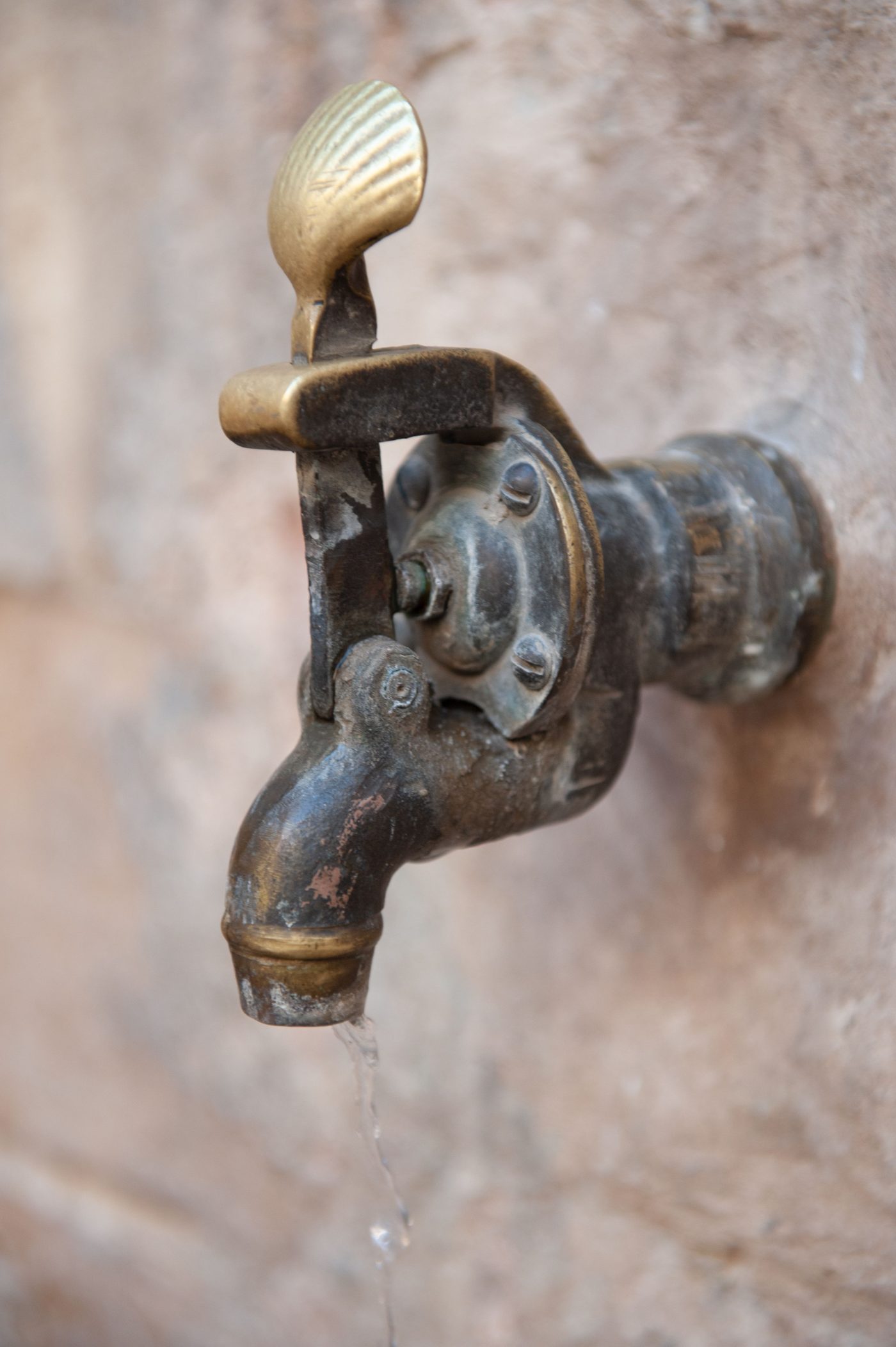
Most people never touch the outside stop tap. But if your inside stop tap is seized, broken or missing, it may be the only way to stop a burst. Knowing where it is and having the right key can save a lot of damage.
What the outside stop tap does
Thames Water says the outside stop valve, also known as a stopcock or stop tap, controls the cold water supply going into your home. It sits on the pipe near your property boundary, under a cover in the path or road.
Thames Water’s advice is clear: always have a working inside stop valve and use that as the main way to turn your water on and off. The outside valve should only be used in an emergency, for example if you have a leak on the supply pipe between the inside and outside valves.
Where to find it
Thames Water says the outside stop valve is normally under a cover on the path or the road. It can also be:
- in the same area as your water meter
- at the end of your road, which is common if your house is old and you share a supply with your neighbours
Covers are small, usually metal or plastic, often marked with a W or the word water. Some are round, some square. In a London pavement, they can be hidden under leaves, bins or a parked car.
Shared supplies in Southwark streets
In Southwark, many of the Victorian terraces in Peckham, Nunhead and East Dulwich were built with shared supply pipes, and some have been split into flats. In the 2021 Census, 14.3% of Southwark households lived in terraced houses and 9.6% in converted houses (Nomis, TS044).
On a shared supply, one outside stop tap may serve two houses, a row of houses or every flat in a conversion. Thames Water warns that if your home is on a shared water supply, turning the water off will also turn off your neighbour’s. Let them know before you start. Thames Water also says shared supply pipes are the joint responsibility of the households served.
Choosing a stopcock key
Outside stop taps sit at the bottom of a narrow chamber, sometimes most of a metre down. You cannot reach them by hand. A stopcock key is a long metal bar with a T handle at the top and a fitting at the bottom that grips the valve.
| Type | Good for |
|---|---|
| Single head key | One known valve type |
| Universal or multi head key | Unknown valves, most London homes |
| Telescopic key | Deep chambers |
Valve heads vary between old and newer installations. If you do not know what yours is, a universal key is the safer choice. Keep it somewhere you can find in the dark.
How to use it
- Try the inside stop tap first. Thames Water says this is always the first option.
- Warn your neighbours if you think the supply is shared.
- Lift the cover. Use a screwdriver or the key’s hook. Clear out leaves and soil if the chamber is full.
- Find the valve head. Use a torch. There may be a meter in the chamber too.
- Fit the key onto the valve head.
- Turn clockwise to close. Thames Water says it may take a few turns, and a few minutes for the water to stop at your taps. Do not use force to turn it further.
- Turn anticlockwise to open again when the repair is done.
When to leave it to a plumber
Leave the outside stop tap to a plumber if:
- the chamber is full of water or soil and you cannot see the valve
- the valve will not turn without force
- you cannot tell which valve is yours, for example where several are in one chamber
- the chamber is in the road rather than the pavement
Thames Water says that if your inside and outside stop valves are not working, the quickest way to turn your water off is to contact a plumber. Our stop tap help page explains what we do in that situation.
Who owns the outside stop tap
Thames Water’s pipe responsibility page explains that it is responsible for the water mains and the communication pipe linking your supply pipe to the main. You are responsible for the supply pipe from your property boundary into your home. The outside stop valve sits around the boundary. If it is faulty or the chamber is damaged, report it to Thames Water and ask.
After using it
Once the outside valve is closed, open your cold taps to drain the pipes, fix or make safe the leak, then reopen the valve slowly. Check for leaks before you walk away.
Then sort out your inside stop tap. If you had to use the outside valve because the inside one failed, read our guide to a stop tap that won’t turn and get the inside valve repaired or replaced. The next emergency may happen at night, in the rain, with the cover under a parked car.
Quick questions
Am I allowed to turn off the outside stop tap?
Thames Water says you should only use it in an emergency, for example a leak on the supply pipe, and you should always try the inside stop valve first.
Which stopcock key do I need?
A long key that reaches the valve and fits its head. Valve heads vary, so a universal or multi head key is the safer buy.
There is no cover outside my house. Where is the valve?
It may be in the same chamber as your water meter, further along the pavement, or at the end of the road if your house is old and on a shared supply.
Last updated 23 October 2026. Written for homes in London. Rules can change, so check the linked sources for the latest position.