Emergency plumbing for London flats, conversions and mansion blocks
Emergency plumber in Londonfor burst pipes, leaks and floods
Water coming through the ceiling, a pipe that has split, a toilet flooding the bathroom. Tell us what is happening and we will talk you through making it safe while we sort a plumber.
Is it an emergency?
Tap what is happening. You see what to do first.
Smell gas? Leave the plumbing, get outside and call the gas emergency line first.
0800 111 999- Turn off the stop tap first
- Keep water away from electrics
- Price confirmed after a look at the job
- Flats, conversions and mansion blocks
- Written note of the cause
Emergency plumbing built around how London actually lives
More than half of London households live in a flat, maisonette or apartment, according to the 2021 Census. That changes what a plumbing emergency looks like. A leak rarely stays in one home. It runs through a floor into the flat below, follows a shared pipe, or starts in a flat where nobody is in.
This site is for those moments. We explain what to do in the first few minutes, who is likely responsible for which pipe, what Thames Water looks after, and what a plumber will do when they get to you. When you are ready, send us the details and we will tell you honestly when someone can attend.
- Clear safety steps before anyone arrives
- Price confirmed after a look at the job
- Used to shared pipes in converted houses and blocks
Where is my stop tap in a London flat?
Look under the kitchen sink first, then in the airing cupboard, under the stairs, near the front door or under floorboards. Thames Water notes that flats may also have a communal stop valve where the supply enters the building. Find yours before you need it and turn it clockwise to close.
Who is responsible for a leak from the flat above?
Usually the owner of whatever is leaking. The Leasehold Advisory Service says each leaseholder is usually responsible for pipes and appliances serving their own flat, and the freeholder for communal pipes and tanks. Your lease has the final word, so tell the freeholder or managing agent straight away.
Emergency
services
Every page explains what to do first, what the plumber does on arrival and what affects the price.
Emergency plumber
Leaks, bursts, floods and blockages in London flats and houses. Make it safe now, proper repair once the source is found.
What to do
Burst pipes
Split pipes, failed joints and frost damage traced and repaired, with the water isolated safely first.
What to do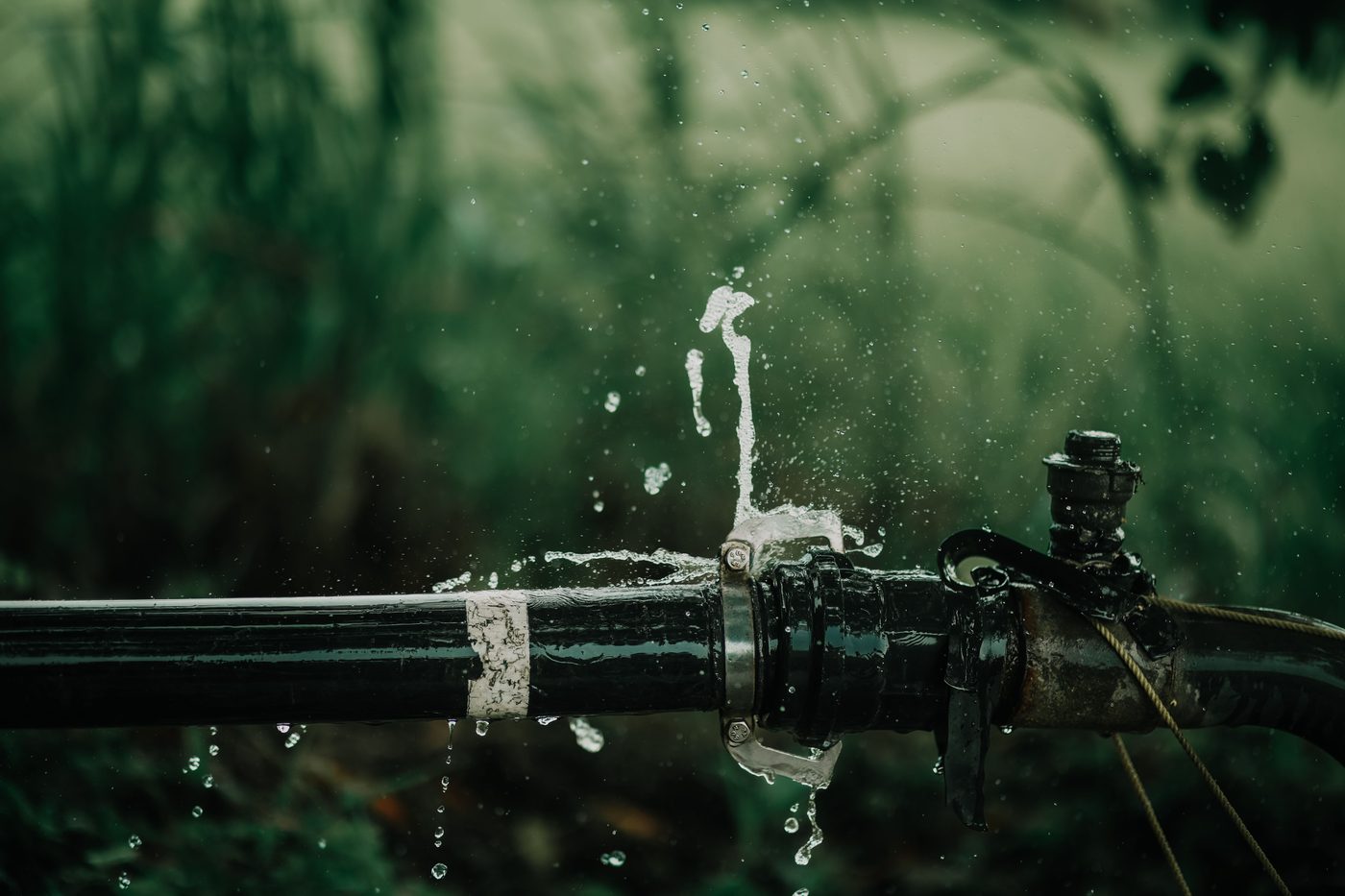
Water through the ceiling
Leaks from the bathroom or flat above traced to the source and stopped, with a written cause for insurers and freeholders.
What to do
Blocked or overflowing toilet
Blocked pans, overflowing cisterns and backed up soil stacks cleared, with the cause found so it does not come back.
What to do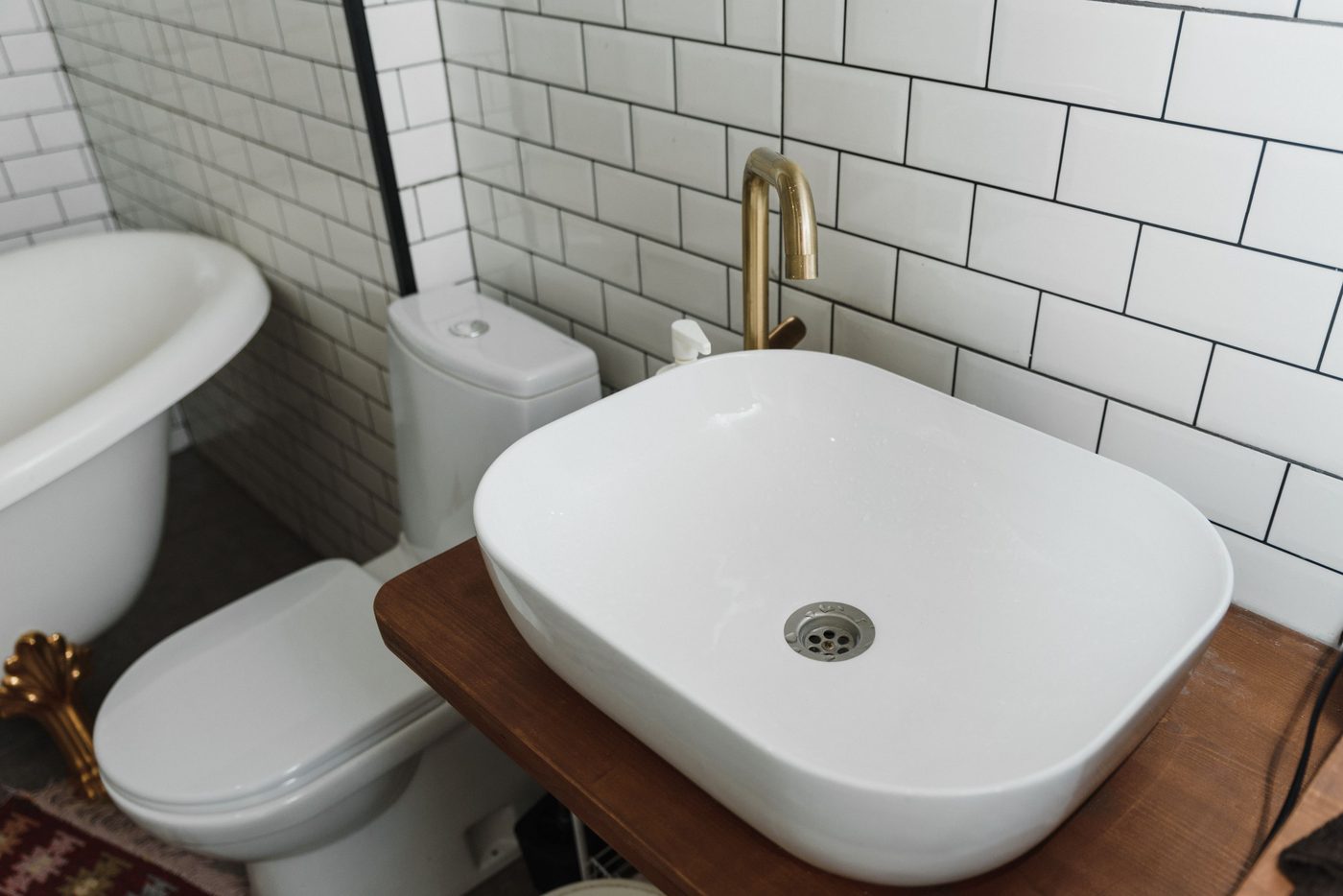
Blocked drains
Blocked drains, gullies and soil stacks cleared, with help working out whether it is yours, the building's or Thames Water's.
What to do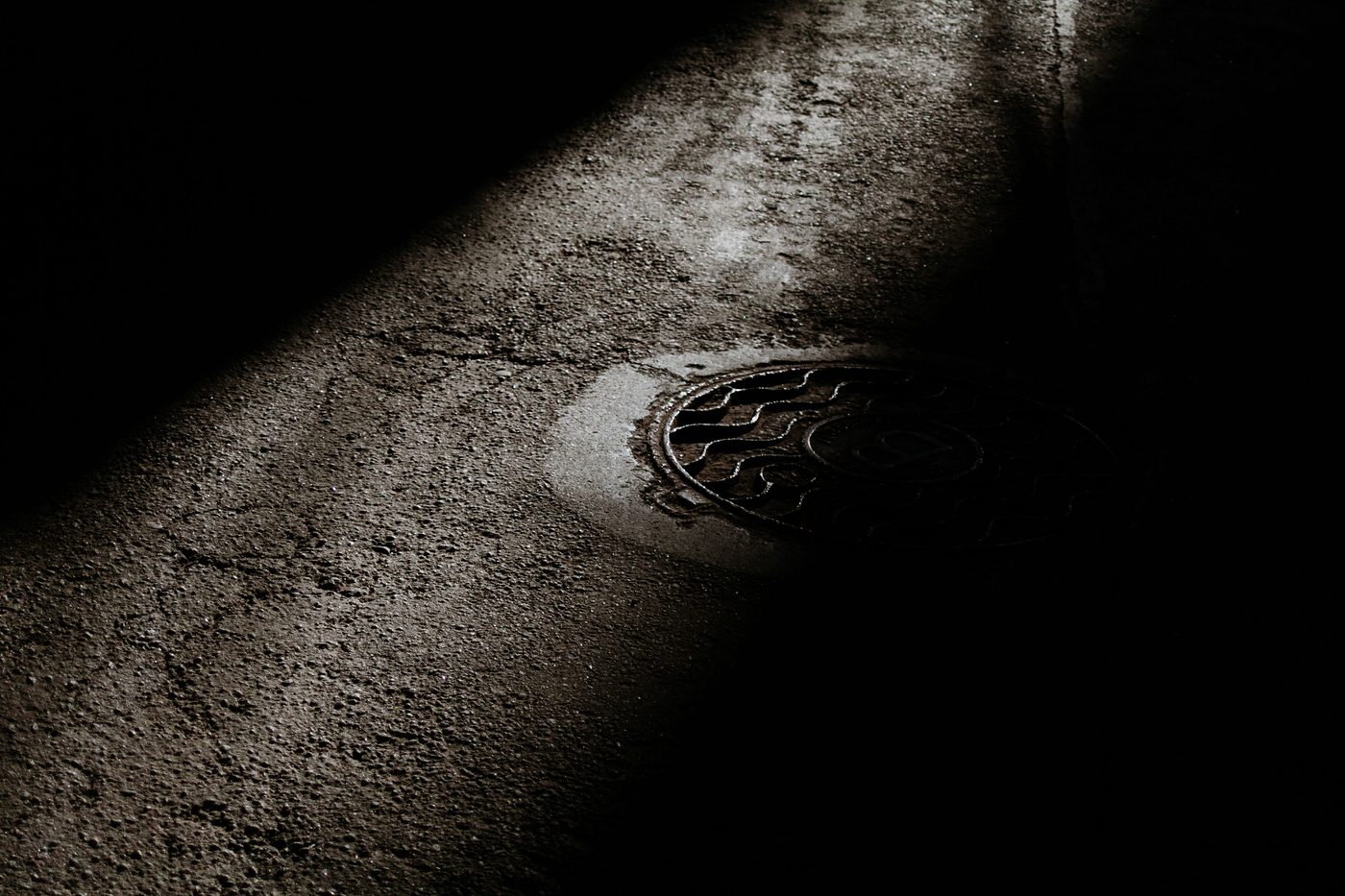
No water or no hot water
No water at all, low pressure or no hot water: we find out whether it is Thames Water, the building or your own pipework.
What to do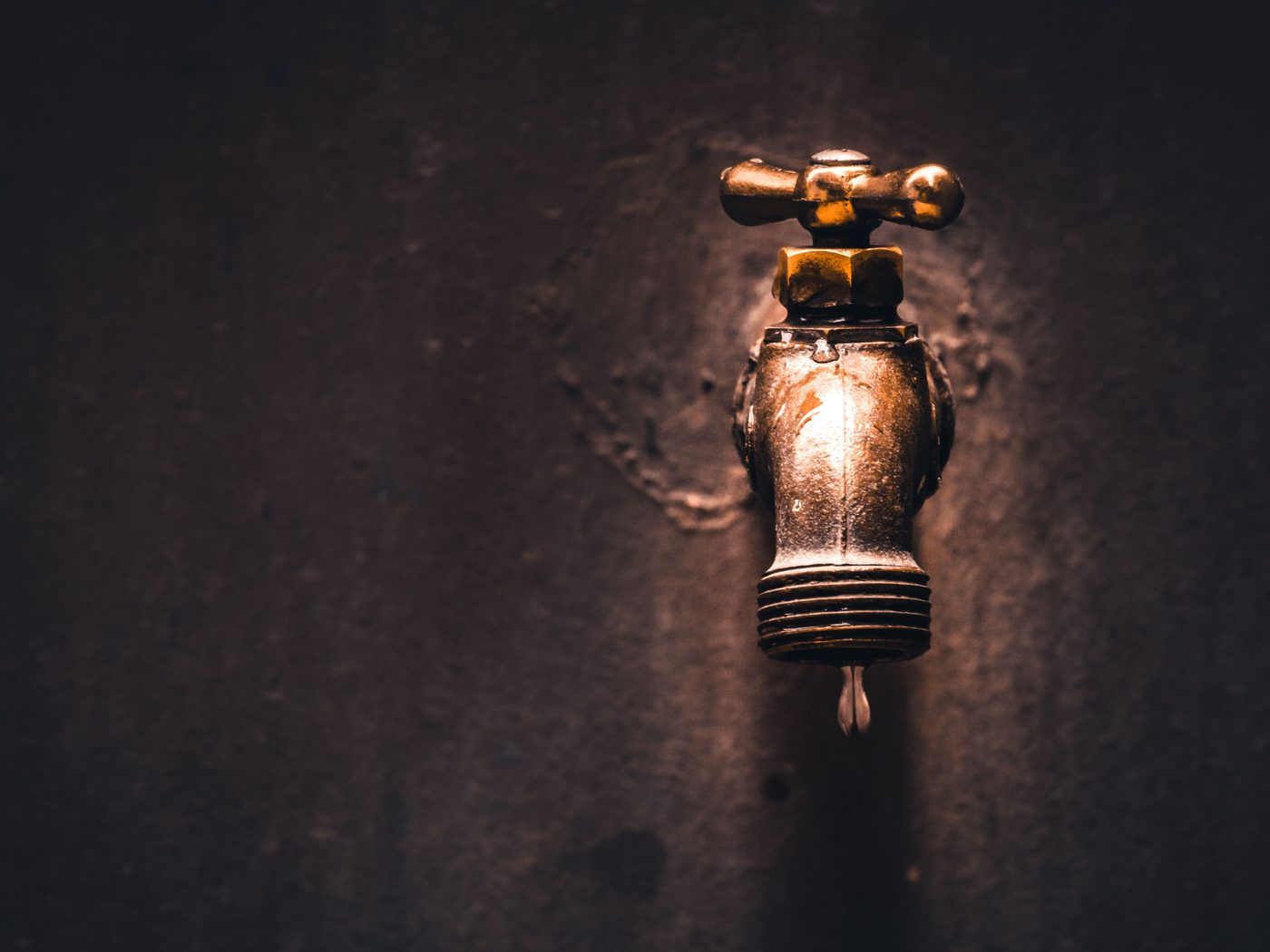
Stop tap and water shut off
Finding, freeing, repairing and replacing stop taps in flats and houses, so you can shut the water off when it matters.
What to do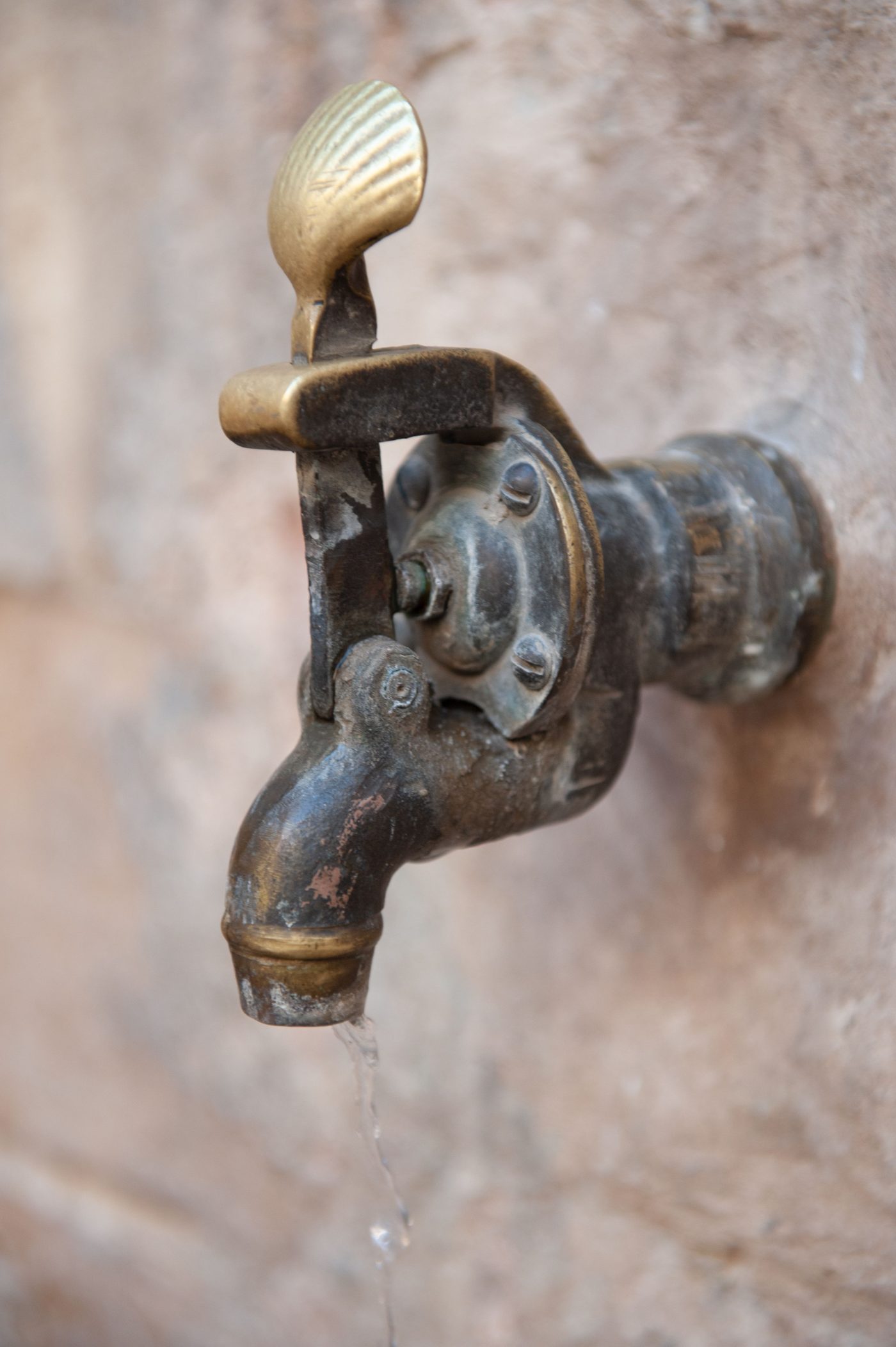
Leaking appliance or flooded kitchen
Leaking washing machines, dishwashers, sink wastes and kitchen pipes stopped and repaired, with checks on the flat below.
What to do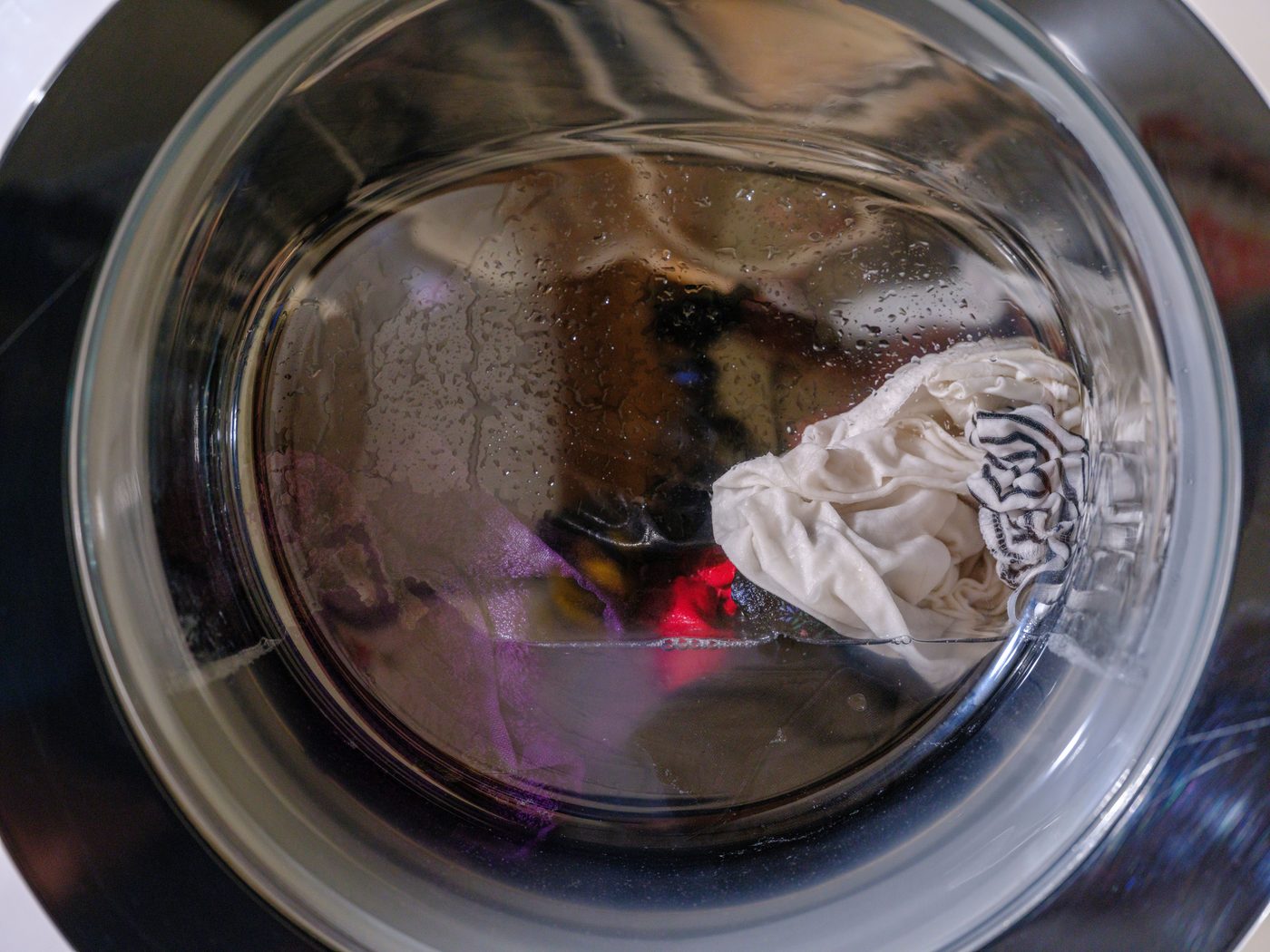
Frozen pipes
Frozen pipes thawed safely and checked for splits, with lagging advice for lofts, outside walls and outside taps.
What to do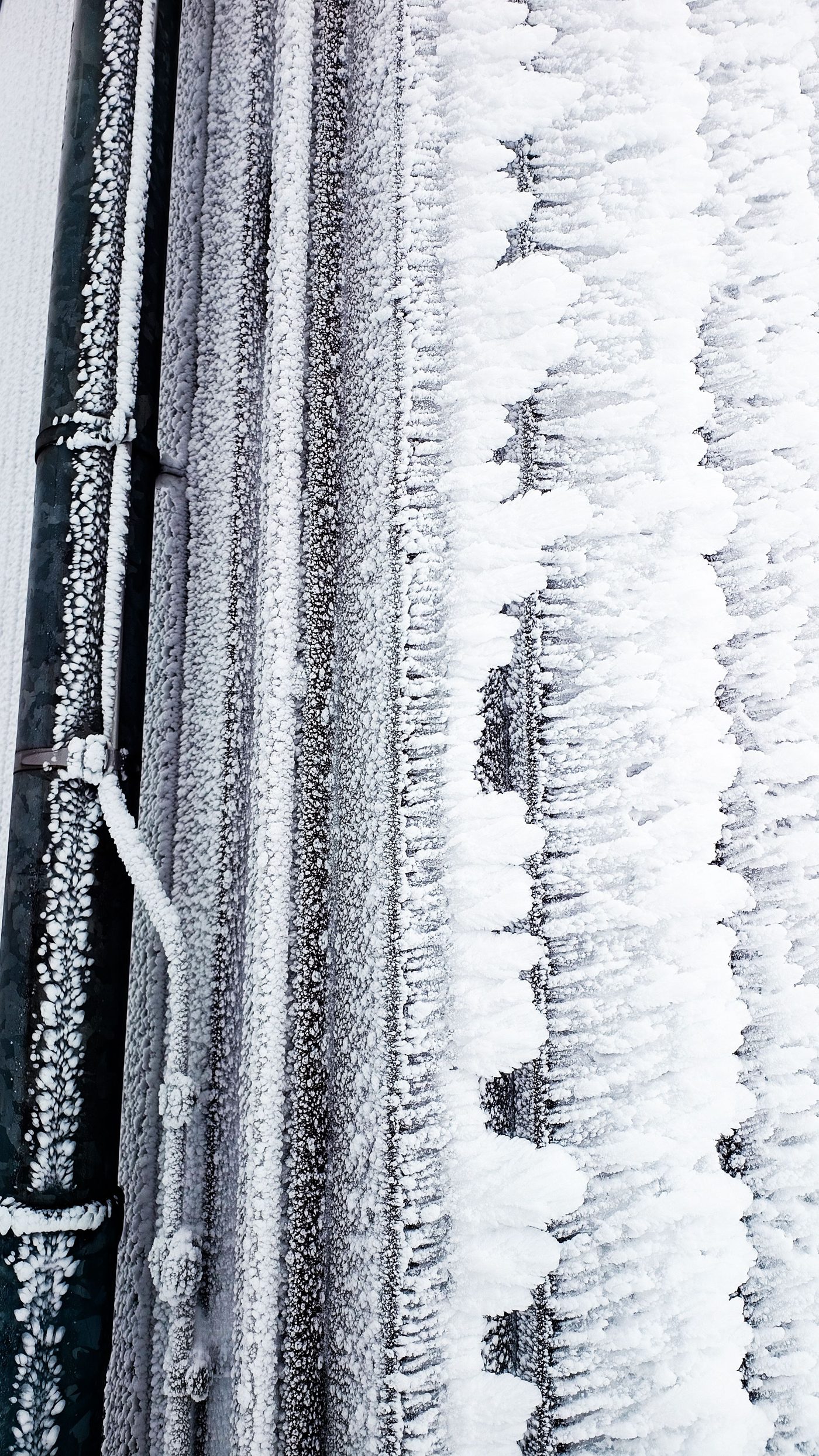
Out of hours and night plumber
Night, weekend and bank holiday plumbing emergencies, with honest advice on what can safely wait until morning.
What to do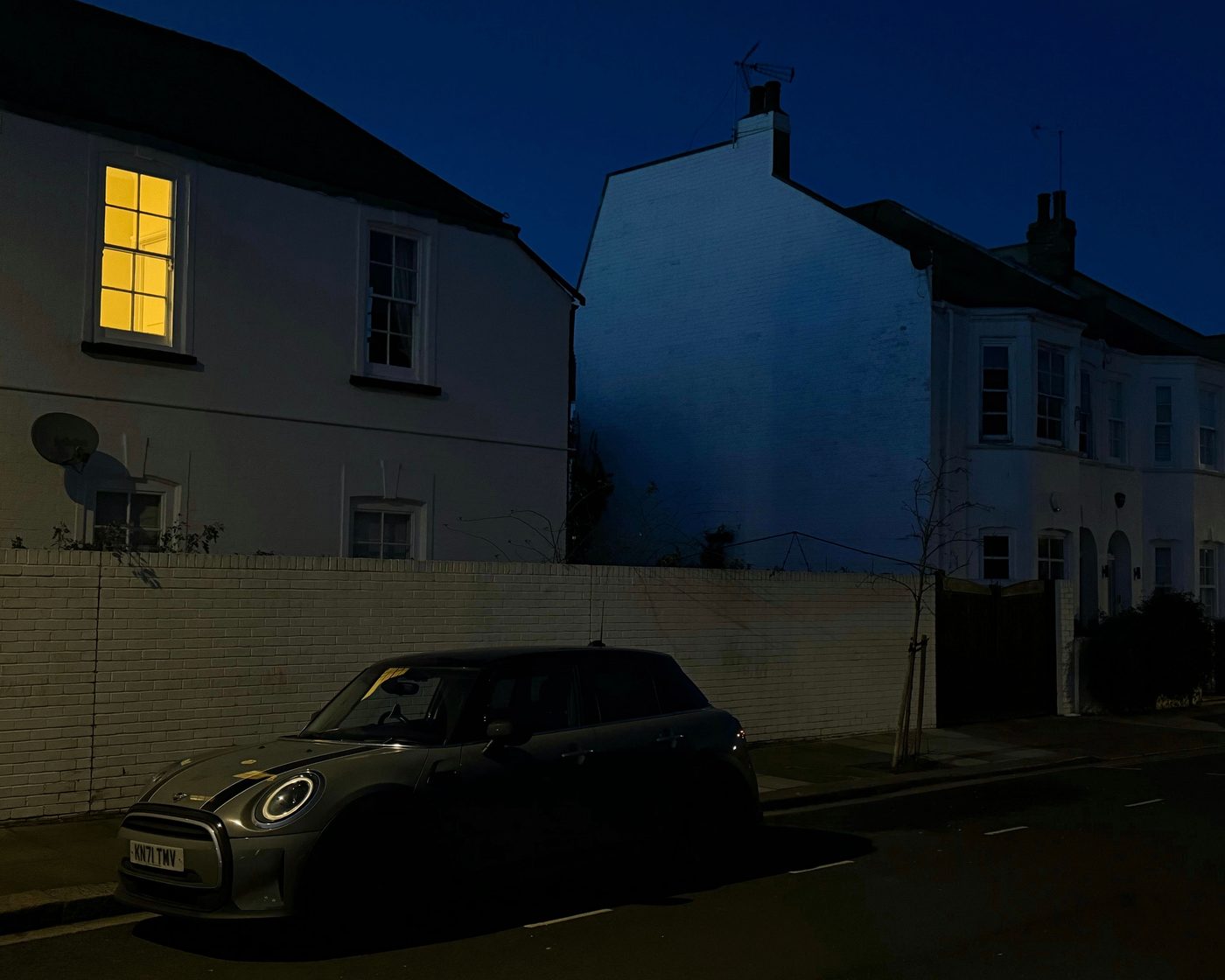
Water where it should not be?
Make it safe first
Do this
now
Before the plumber arrives, work through these in order. They keep you safe and limit the damage while you wait.
Then send the details-
 01
Smell gas? Leave the plumbing
If you smell gas, leave the plumbing. Go outside and call the National Gas Emergency Service on 0800 111 999 first.
- 02
Water off at the stop tap
Turn off the water at your stop tap by turning it clockwise. It is usually under the kitchen sink, in an airing cupboard or near the front door. In a flat there may be a second, communal valve where the supply enters the building.
-
 03
Keep water and electrics apart
If water is near sockets, lights or the consumer unit, switch off the electricity at the consumer unit if you can reach it without touching wet surfaces. If you cannot do that safely, keep away and call 999.
- 04
Boiler off, cold taps open
Turn off the boiler or immersion heater so it does not run dry, then open the cold taps to drain the pipes and relieve pressure.
- 05
Contain it and take photos
Contain the water with towels, buckets and bowls, move belongings and take photos of the damage and the source for your insurer.
-
 06
Tell the neighbours and the building
If the water is coming from another flat, knock on their door, then tell your landlord, freeholder or managing agent and your insurer as soon as you can.
Make it safe,
then send it
Tap through four short steps. Safety advice appears as you go, then your answers go straight through.
Four short steps
Pick the closest match. You can go back at any point.
- 01Right now
- 02Your home
- 03Call back
Right now
What is happening right now?
Right now
Is the water off at the stop tap?
Your home
Where is it?
Your home
What is the postcode?
So the right engineer for your area picks it up.
Call back
Send it through now
Keep the water off at the stop tap while you wait. Your details go straight through so someone can ring you back.
How an emergency call works
The same four steps whether it is a split pipe under the bath or water through a ceiling.
- 1
Tell us what you can see
Use the triage form or call. Say where the water is coming from, whether it is clean or dirty, if it is near electrics, and whether you have managed to turn it off. Photos help.
- 2
Make it safe while you wait
We talk you through the stop tap, the electrics and containing the water. If you smell gas, you call 0800 111 999 first and leave the gas side to them.
- 3
Find and stop the source
The plumber traces the leak or blockage, which in a flat can mean checking the flat above or a shared pipe. They isolate it and do a safe temporary or permanent repair.
- 4
Price, repair and paperwork
You get a price before any further work, confirmed after a look at the job. You also get a written note of the cause and what was done, which your insurer, landlord or freeholder may ask for.
Thames Water looks after
- The water main in the street
- The pipe up to your property boundary
- Supply problems that affect the whole street
- Customer care on 0800 316 9800
Yours to put right
- The supply pipe from your boundary into the home
- Every pipe and appliance inside your home
- A confirmed leak on your property, repaired within four weeks
- In a block, communal pipes and tanks usually sit with the freeholder
Why London plumbing emergencies are different
Converted houses share pipes
In Camden, Hammersmith and Fulham and Kensington and Chelsea, about a quarter of households live in a converted or shared house (Census 2021). One supply pipe and one outside stop tap often feed every flat, so turning the water off and finding the leak usually means working with the neighbours.
Hard water seizes valves
Thames Water says all the water in its region is hard, because it passes through chalk and limestone. Over the years limescale stiffens stop taps, sticks toilet fill valves and scales up appliance valves, which is why many people find their stop tap will not turn on the night they need it.
Blocks have systems you cannot reach
In Westminster 70% of households and in Tower Hamlets 81% live in purpose built flats. Rising mains, roof tanks, booster pumps and communal hot water belong to the building, so a fault may need the managing agent as well as a plumber.
Victorian sewers and basements
Much of central London still drains into Bazalgette's Victorian combined sewers, which carry rain and sewage in the same pipes. In heavy rain, lower ground and basement flats are where blocked or overloaded drains show up first.
Where we
cover
Emergency plumbing across inner and central London. Each area page covers the housing and what to check first there.
- Islington N1 N5 N7 N19
-
 Hackney E5 E8 E9 N16
-
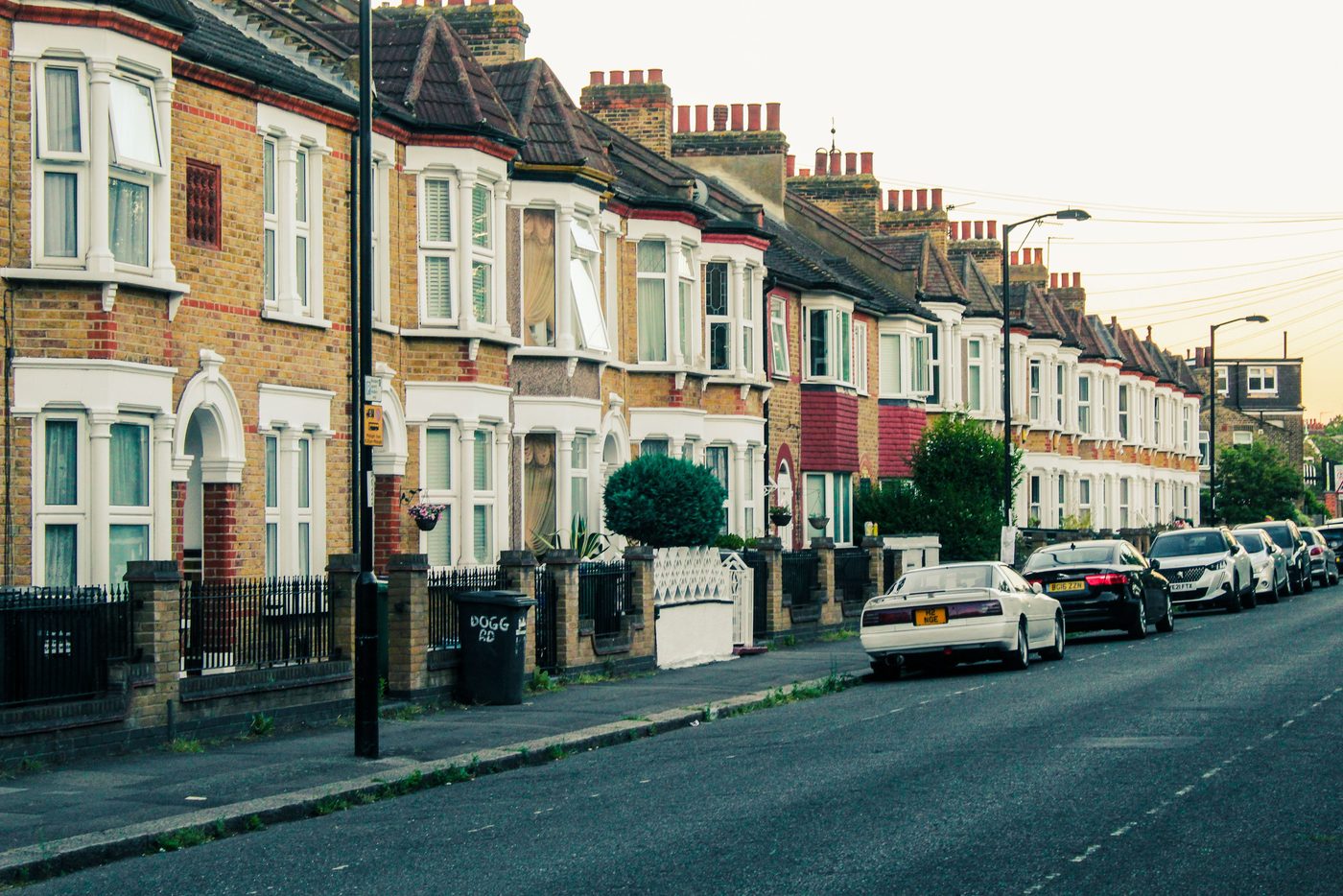 Camden NW1 NW3 NW5 NW6
- Westminster W1 SW1 W2 W9
-
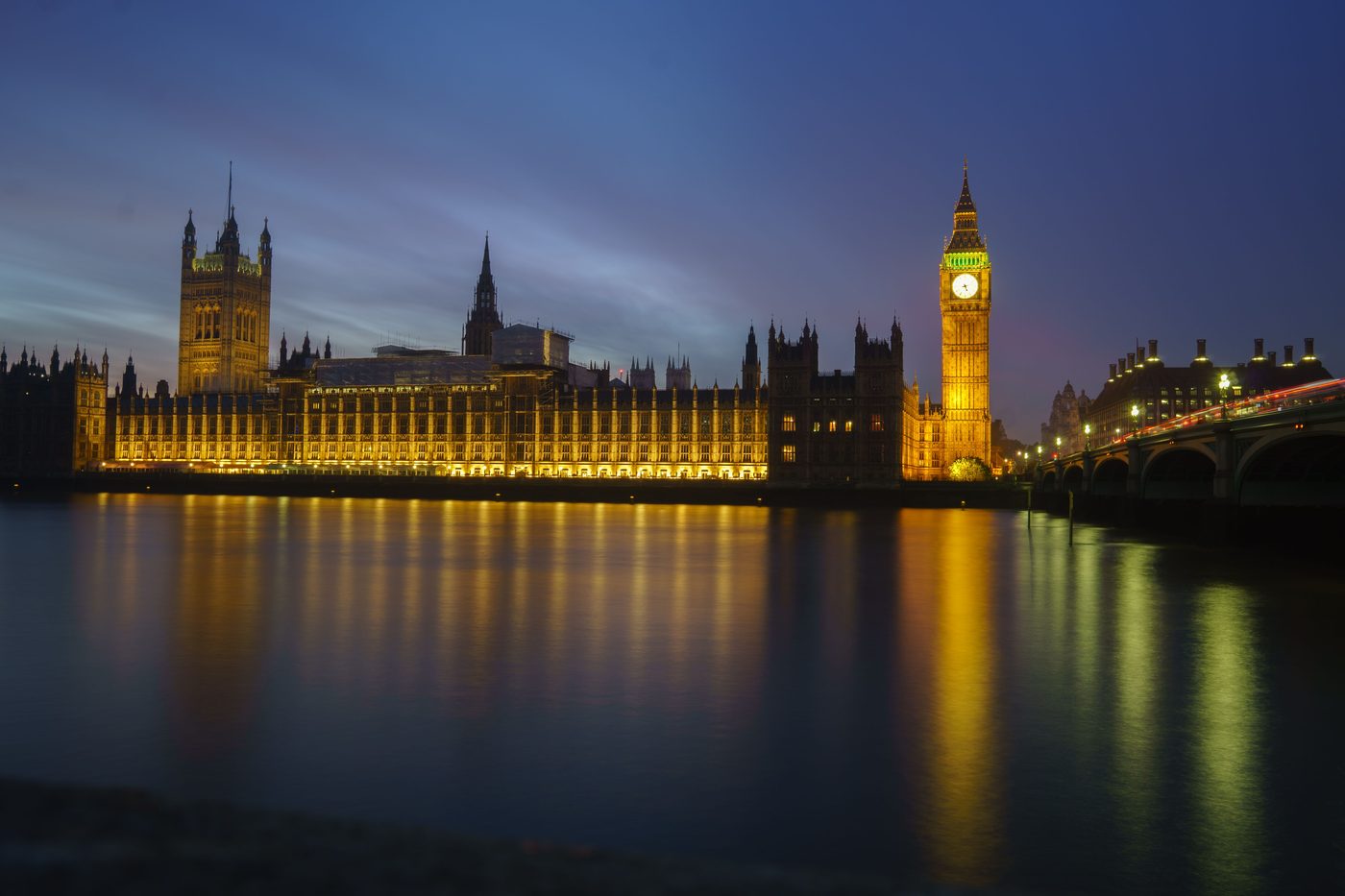 Kensington and Chelsea SW3 SW5 SW7 SW10
-
 Hammersmith and Fulham SW6 W6 W12 W14
- Wandsworth SW11 SW12 SW15 SW17
- Lambeth SW2 SW4 SW8 SW9
- Southwark SE1 SE5 SE15 SE16
- Tower Hamlets E1 E2 E3 E14
- Greenwich SE3 SE7 SE10 SE18
- Lewisham SE4 SE6 SE13 SE14
Asked questions
What counts as a plumbing emergency?
Anything where water is escaping and you cannot stop it, water is near electrics, sewage is coming back up, or you have no water or no working toilet. A slow drip you can catch in a bowl can usually wait for a booked visit. If in doubt, turn off the stop tap and ask.
How much is an emergency plumber in London?
It depends on the time of day, how long the job takes, access in your building and the parts needed. We do not quote a fixed figure before we know the job. You get a price confirmed after a look at the job and before any further work starts.
Is Thames Water responsible for a leak on my property?
No. Thames Water looks after the mains and the pipe to your boundary. The supply pipe from the boundary into your home, and every pipe and appliance inside it, is yours. If a leak is confirmed on your property, Thames Water says you must arrange a repair within four weeks.
What should I do if I have no water?
Check whether your neighbours have water and look at Thames Water's online map of problems in your area. If the street is fine and you have nothing, check your stop tap is open and, in a block, ask the managing agent about the building's pump or tank. Thames Water customer care is on 0800 316 9800.
Will my insurance pay for a burst pipe?
Most home insurance covers escape of water, but the terms vary and there is usually an excess. Insurers expect you to take reasonable steps to stop the leak and limit damage, so turn the water off, take photos and keep the plumber's note of the cause.
What if I smell gas as well?
Stop and call the National Gas Emergency Service on 0800 111 999 from outside your home. Do not use switches or flames. Gas work in the UK must be done by a Gas Safe registered engineer, so always ask to see their ID card and check it on the Gas Safe Register.

Let's sort it
Turn the water off if you can, then tell us what is happening and we will tell you straight when a plumber can get to you.