Short answer: A toilet that keeps running usually has a fill valve that will not shut off or a flush valve seal that lets water leak into the pan. In London, limescale from hard water is a common cause of both. Close the cistern isolation valve to stop it, then have the valve or seal cleaned or replaced.
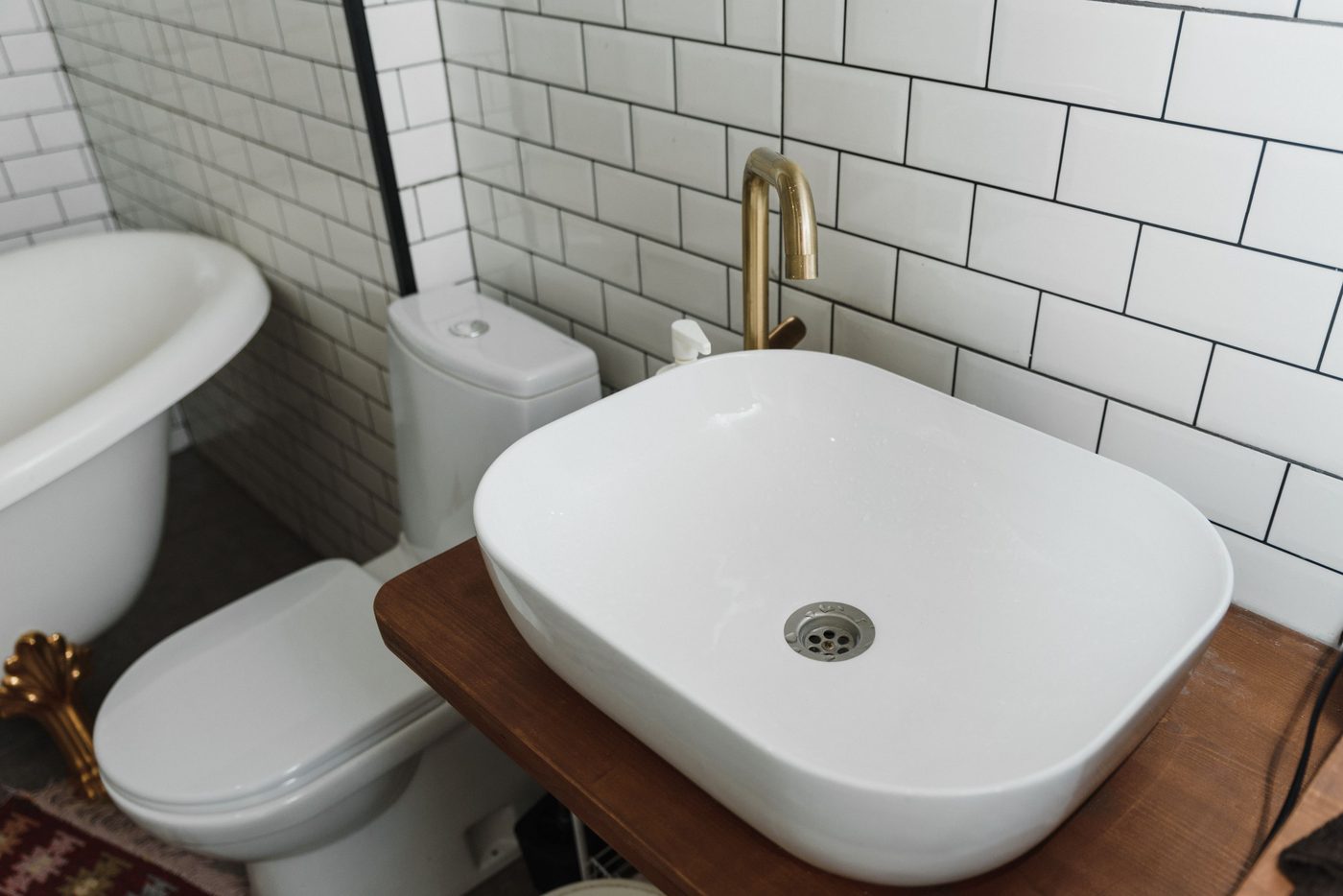
A toilet that runs on and on is annoying rather than dangerous, most of the time. You hear the hiss of the cistern filling, or a trickle into the pan that never stops. In London, it is one of the most common small plumbing faults, and hard water is usually behind it.
How a toilet cistern works
Two valves do the work.
- The fill valve lets water into the cistern after a flush. A float rises with the water and shuts the valve when the cistern is full.
- The flush valve sits at the bottom of the cistern. When you press the button or pull the handle, it opens and dumps water into the pan, then closes and seals.
If either one does not close properly, the toilet keeps running.
Why London toilets keep running
Thames Water says it sources 65% of its water from rivers and 35% from underground sources, and that all the water in its region is hard because it passes through chalk and limestone. Hard water leaves limescale on anything it sits against.
In a toilet cistern, that means:
- scale on the fill valve’s moving parts, so it sticks open or closes slowly
- scale on the float or its arm, so it does not rise freely
- scale on the flush valve seal or the seat it rests on, so it never seals fully and water seeps into the pan
These faults build up slowly, which is why a toilet that worked fine for years starts to run.
How to tell which valve it is
| What you see | Likely cause |
|---|---|
| Water trickles into the pan constantly, cistern level stays below the overflow | Flush valve seal not sealing |
| Cistern fills to the overflow and water runs into the pan or out of the overflow pipe | Fill valve not shutting off |
| Cistern refills by itself every so often without a flush | Flush valve seal leaking slowly |
| Overflow pipe on the outside wall is dripping | Fill valve not shutting off |
| Toilet takes ages to refill | Fill valve partly blocked with scale or debris |
What you can check yourself
- Take the cistern lid off. Put it somewhere it will not get knocked. Lids crack easily.
- Look at the water level. If it is up at the overflow, the fill valve is not shutting.
- Lift the float gently. If the water stops, the float or its setting is the problem. Many modern valves have an adjuster that lowers the shut off level.
- Check the float moves freely. If it is scaled or catching on something, clean it.
- Look at the flush valve. If water is running into the pan with the level below the overflow, the seal at the bottom is leaking.
If you cannot stop it, close the small isolation valve on the pipe to the cistern. It is often a slotted screw. A quarter turn closes it. The toilet will not refill until you open it, so you can still flush once.
When it becomes urgent
A running toilet is usually a booked job. It needs attention sooner if:
- water is spilling onto the floor, perhaps because the overflow pipe is blocked or disconnected
- the overflow runs to an outside wall and is dripping onto a neighbour’s window or a path
- the toilet is also blocked, so the pan cannot drain the extra water
- you cannot close the isolation valve and the stop tap is your only way to stop it
In older Camden conversions, where 26.2% of households live in converted houses (Nomis, TS044), overflow pipes from cisterns often run through walls to the back of the house. A blocked overflow there can push water into the wall or onto the floor instead.
What a plumber will do
Most running toilets are fixed by cleaning or replacing one part.
- A sticking fill valve can sometimes be cleaned. If it is badly scaled, it is replaced. Modern valves are quiet and easy to adjust.
- A leaking flush valve usually needs a new seal or washer. If the valve is old or cracked, the whole flush valve is replaced.
- Concealed cisterns behind panels need the panel removed. Many have an access plate behind the flush button.
The toilet does not usually need replacing. Our blocked toilet page covers overflows and blockages if the problem is more than a running cistern.
Slowing the scale down
You cannot change London’s water, but you can reduce its effects.
- Clean the cistern parts every year or so with a descaler suitable for toilets, following the product instructions.
- Avoid in cistern blocks that may sit on the flush valve seal, unless the toilet maker recommends them.
- Thames Water notes that some people fit a water softener for household appliances, and recommends keeping a separate unsoftened tap for drinking.
If you rent
A running toilet is a fault in a sanitation installation, which your landlord must keep in repair under section 11 of the Landlord and Tenant Act 1985. Report it in writing. If the cistern is overflowing onto the floor, tell them as an urgent repair. For the more serious version, read our guide to a toilet overflowing into the flat below.
Quick questions
Is a running toilet an emergency?
Usually not, as long as the water is going into the pan or out of the overflow. It becomes urgent if water is spilling onto the floor or the overflow is blocked.
Does a running toilet cost money?
If you are on a water meter, yes, because water is running away constantly. If not, it still wastes water and can wear the valve further.
Can I fix a running toilet myself?
Sometimes. Adjusting the float or cleaning scale off a valve is often simple. Replacing a valve or seal is a straightforward plumbing job.
Last updated 23 October 2026. Written for homes in London. Rules can change, so check the linked sources for the latest position.